

I’d probably be right in saying that almost every cow owner has faced the problem of insemination — or more precisely, the problem of the cow not being inseminated within the desired timeframe. It often happens that a cow that has calved does not come into heat for months, which lowers her productivity and delays the birth of the next calf.
Such a delay is highly undesirable from a farming perspective due to the physiologically normal gradual decline in milk yield after the fifth or sixth month of lactation, which is observed in most cows. Sometimes, the heat cycle does not occur at all, or its onset is delayed by many months.
There can be many reasons for this undesirable phenomenon. Let us consider the most common ones:
— a difficult previous calving and postpartum complications such as retained placenta, endometritis, tears of the birth canal mucous membrane, which led to various diseases of the internal reproductive organs and chronic inflammation of the uterine lining;
— improper feeding of the cow. This may be due to poor quality feed (spoiled feed caused by incorrect storage, transportation, or harvesting), unbalanced nutrient content, insufficient quantity, or, conversely, excessive feeding. All these scenarios are undesirable because they lead to depletion of the cow’s resources or obesity, as well as disruptions in metabolism and hormonal balance.

The conditions for inadequate feeding of animals most often occur during the winter period. During the stall period, farms frequently feed large amounts of sour silage, ensiled feed, or beet pulp. At the same time, there is often a shortage or complete absence in the diet of sufficient high-quality hay, harvested at optimal times and during the most favorable stages of plant vegetation. Such a situation can also arise under modern intensive farming technologies, where even in the summer period, feeding with fresh green mass or free grazing between milkings is not practiced.
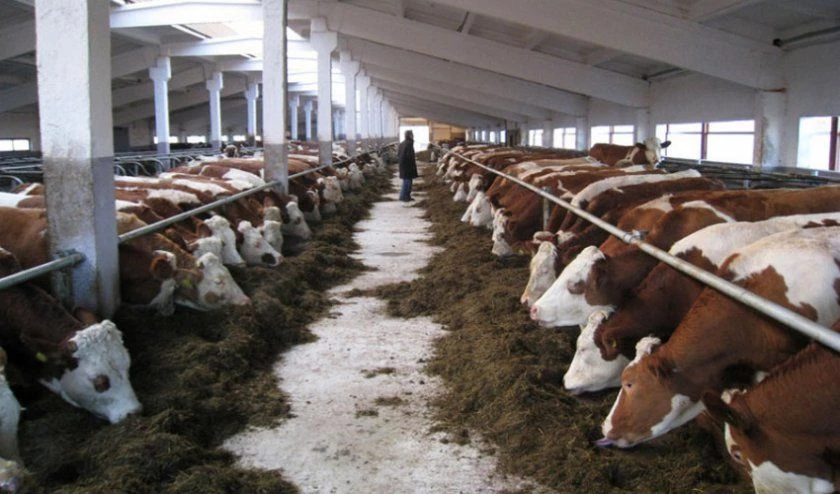
With prolonged and systematic deficiency of the necessary nutrients, protein, micro- and macroelements, and vitamins in a dairy cow’s diet, not only does her milk production decrease, but metabolic processes also become disrupted. This leads to disorders in the endocrine system, which directly affect the functioning of the animal’s reproductive system.
Disruptions in reproductive function due to inadequate feeding are manifested in irregularities and delays in the estrous cycle, ovarian atrophy and hypofunction, delayed uterine involution after calving, uterine hypotonia, and retained placenta. As a result, the cow takes a long time to return to estrus.

Overfeeding can lead not only to general obesity in animals but also to reduced secretion of pituitary hormones, degeneration of ovarian tissues, and a decrease or complete cessation of their function. Excessive feeding of cows, especially with diets containing an excessive amount of protein, is just as undesirable as underfeeding.
— Unsatisfactory housing conditions, which may manifest as violations of the requirements for the cowshed microclimate. Dampness, insufficient daylight duration and low light intensity, lack or insufficiency of exercise, cold, ammonia pollution due to inadequate ventilation — all of the above, to varying degrees, affect the reproductive function of the cow.
If all the processes in the animal’s body proceed normally, a cow should come into heat no later than two to three months after calving. Typically, 15–25% of the herd come into heat during the first month, about 50–55% in the second month, and between 18% and 22% in the third month or later. If this does not happen, the animal requires closer attention: it is essential to normalize the diet, ensure good housing conditions, and provide regular exercise. A veterinary examination and rectal palpation to assess the condition of the ovaries and uterus should be carried out by a veterinarian. If endometritis or other inflammatory processes are detected, they should be treated as soon as possible. I have discussed this in detail in one of my previous articles.
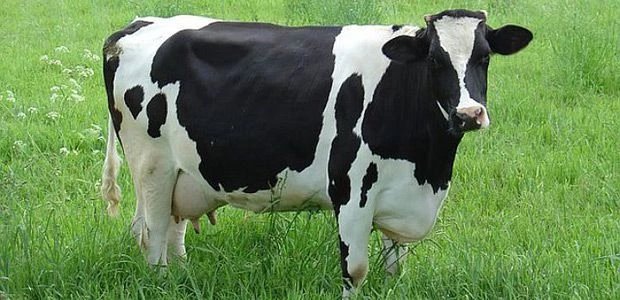
In most cases, after treatment and normalization of housing conditions and feeding, the cow will come into heat within a few months. However, if this does not happen or if the owners need to accelerate its onset, additional measures can be taken. First, the animal undergoes vitamin therapy using any injectable vitamin preparations. Those containing vitamin E are especially effective.

Good results are achieved using the following preparations: Dekavit, Multivitamin, Tetravit, and Trivit. I administer Trivit subcutaneously (it can also be given intramuscularly) at a dose of 5 ml per cow. Injections are given three times, with a seven-day interval between each.
Multivitamin is given as a single injection, either subcutaneously or intramuscularly, at a dose of 15–25 ml, depending on the animal’s weight.
Dekavit is available not only as an injectable solution but also for oral administration. The dose for a cow is 50 ml. The preparation is first dissolved in a small amount of drinking water and given to the animal once every five days for a month.
The choice of medication depends on the convenience of its use for each individual cow owner. During vitamin therapy, it is recommended to perform uterine massage (rectally) every other day. Heat (estrus) may occur after the course of vitamins and massage, but if this does not help, hormonal treatment is continued.
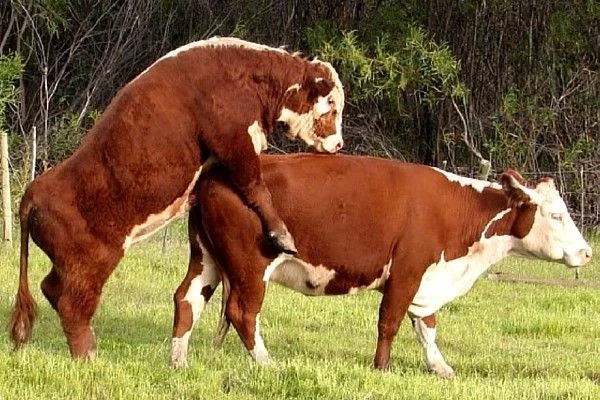
There are many medications available for this purpose, but the most commonly used drug is “Estrofan.” It is easy to use and provides good practical results. It should be administered intramuscularly at a dose of 2 ml (one ampoule) per cow, regardless of her body weight. Estrus may occur within 48 to 96 hours after the injection. If it does not occur, a second injection should be given on the 11th day after the first one. On the 14th day (after the first injection), the cow should be inseminated regardless of whether she shows external signs of estrus. For greater assurance of pregnancy, it is advisable to repeat insemination the following day.

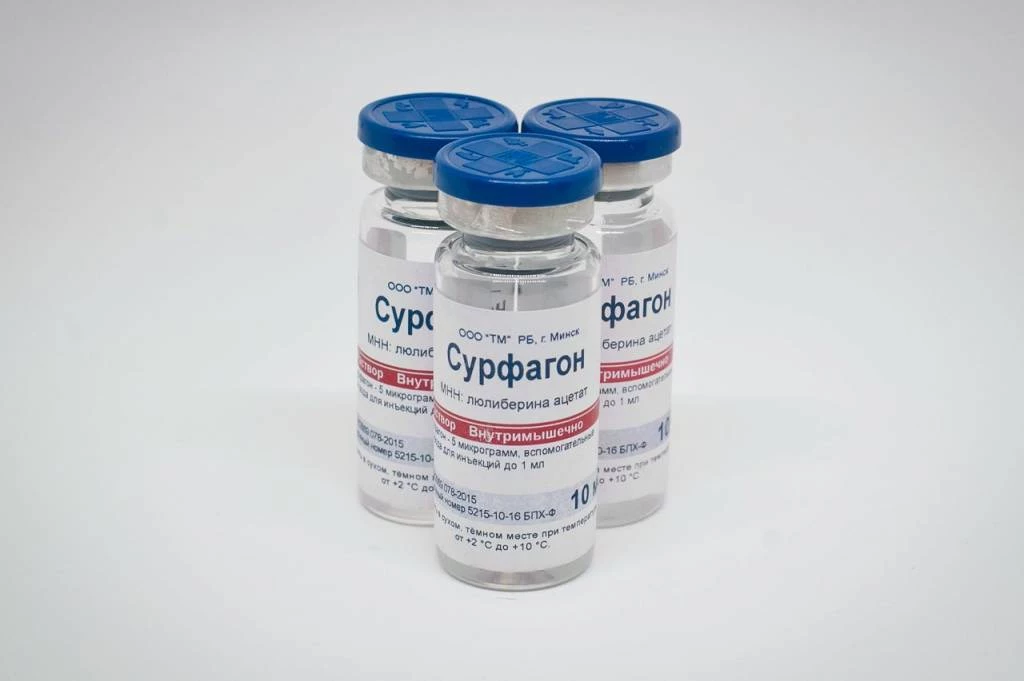
Here is an effective treatment protocol for ovarian hypofunction (the most common cause of anestrus and estrous cycle disorders) and follicular cysts using “Surfagon”:
If vitamin therapy has not been previously administered, it is advisable to start with “Tetravit.” Inject 10 ml of Tetravit intramuscularly.
On the same day, administer 5 ml of Surfagon intramuscularly once daily for three consecutive days.
On the 7th day, give 5–7 ml of “E-selenium” intramuscularly.
On the 11th day, administer 2 ml of “Estrofan” (or its analogues) intramuscularly.
On the 14th day, inject another 10 ml of Tetravit intramuscularly.
Estrus should appear on days 21–22.
If estrus does not occur, administer another 2 ml of Estrofan and inseminate the cow three days later.
After insemination, to prevent early embryonic mortality, it is recommended to inject 5 ml of Surfagon intramuscularly on the 3rd, 5th, and 9th days post-insemination.
There are also many other treatment protocols. I chose the previous one because the medications are easy to find in pharmacies and, in most cases, they help to inseminate the cow successfully. However, in cases of serious illnesses, it is best to consult your local veterinarian.


